ByJohn A
Coins vs Tokens: What Is the Difference?
Coins and tokens occupy different layers of blockchain ecosystems: coins are native to a blockchain and secured by its consensus, while tokens run atop existing chains, leveraging their security and scripting. This distinction shapes governance, security, and programmability. Wallets and exchanges label assets accordingly, guiding practical choices about value transfer and utility. The outcomes hinge on the trade-off between robust consensus and flexible features, leaving the reader with a core question about where true provenance lies and what comes next.
What Makes a Coin Different From a Token
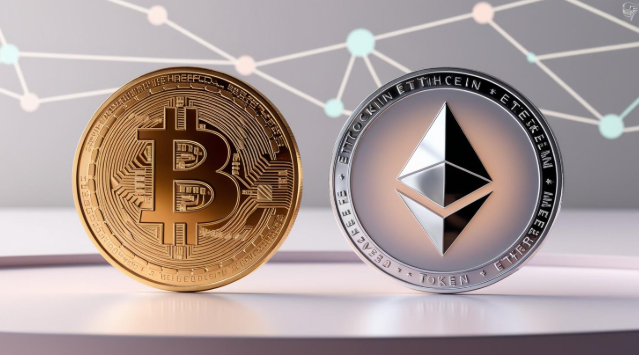
A coin and a token differ primarily in what they function as within a blockchain ecosystem: a coin has its own native blockchain and acts as a unit of value, while a token operates on an existing chain to represent assets or utilities. Bitcoin vs Ethereum illustrates this division; staking vs governance reveals governance dynamics within tokenized ecosystems, not native consensus.
How Coins and Tokens Are Built on Blockchains
How coins and tokens are built on blockchains hinges on architectural choices that determine native versus asset-backed function. Their construction relies on consensus, scripting, and modular security architecture to enable interoperable operations. Governance remains collaborative, not centralized, shaping updates and cooperation governance models. This architecture ensures verifiable immutability while preserving flexibility, enabling secure deployment of native and tokenized value across networks.
See also: byteenginetech
Practical Use Cases: When to Buy a Coin vs a Token
Practical use cases for coins and tokens hinge on fundamental design goals and risk profiles: coins typically serve as native, network-protocol value with security baked into the consensus layer, while tokens represent asset-backed or contract-driven value deployed atop existing blockchains.
Practical governance and cross chain utilities guide purchase decisions, privileging coins for security, tokens for programmable liquidity and interoperability across ecosystems.
How to Tell Them Apart in Wallets and Exchanges
In wallets and exchanges, distinguishing coins from tokens hinges on their foundational role: coins are native to a blockchain and secure value through the protocol’s consensus mechanism, whereas tokens are built atop existing chains to convey asset-backed or contract-driven value. Analysts rely on coin terminology and wallet labeling to categorize holdings, enhancing verification, traceability, and user autonomy within decentralized finance ecosystems.
Frequently Asked Questions
Can Coins Exist Without a Blockchain?
No; coins require a blockchain or distributed ledger for security, consensus, and transfer. A detached analysis notes that without such infrastructure, value proofs exist only as off-chain records. Discussion ideas include governance, tokenization, and unrelated topics.
Are Tokens Always Crypto Assets?
Tokens are not inherently crypto assets; they can represent governance rights or access, though most are built on blockchain ecosystems. The answer analyzes asset classification, liquidity dynamics, smart contract roles, and governance models with precise, cryptographic clarity for freedom-minded readers.
Do Coins Require Gas Fees Differently Than Tokens?
Cracked asphalt glows as networks hum; coins incur gas fees via gas price and limits, while tokens generally rely on underlying contracts. Gas fee mechanics differ, illustrating mining vs staking dynamics in securing transactions and validating blocks.
Can a Token Become a Coin Later?
A token can become a coin if restructured to become a native asset with its own underlying blockchain; token standards and governance implications must be reevaluated, ensuring security, interoperability, and user autonomy within a transparent, cryptographic framework.
Which Networks Host Both Coins and Tokens?
What networks host both coins and tokens? They exist where network compatibility and governance models align; analysis reveals multiple ecosystems enable cohabitation, with tokenized assets atop blockchain rails and native coins underpinning security, finality, and network governance, empowering freedom-minded participants.
Conclusion
A concise conclusion in a neutral, third-person voice, with an analytical, cryptographic tone, and one figure of speech.
In summary, coins anchor their own blockchains, securing value at the consensus layer, while tokens ride atop existing networks and depend on host security and smart contracts. This distinction governs risk, governance, and use cases, from native transferability to programmable assets. Seen through a validator’s lens, the difference is sharper than a hash—providing clear lines between security sovereignty and interchain interoperability.